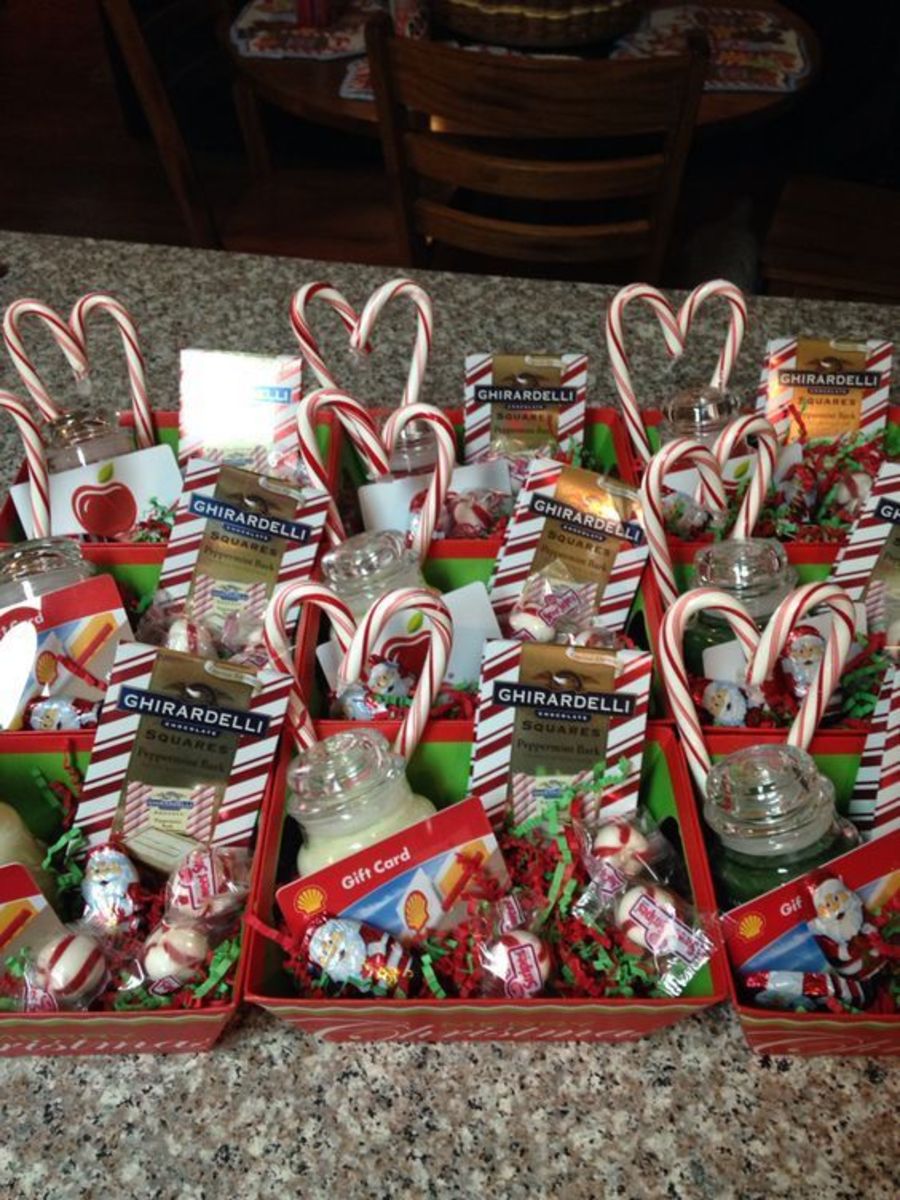
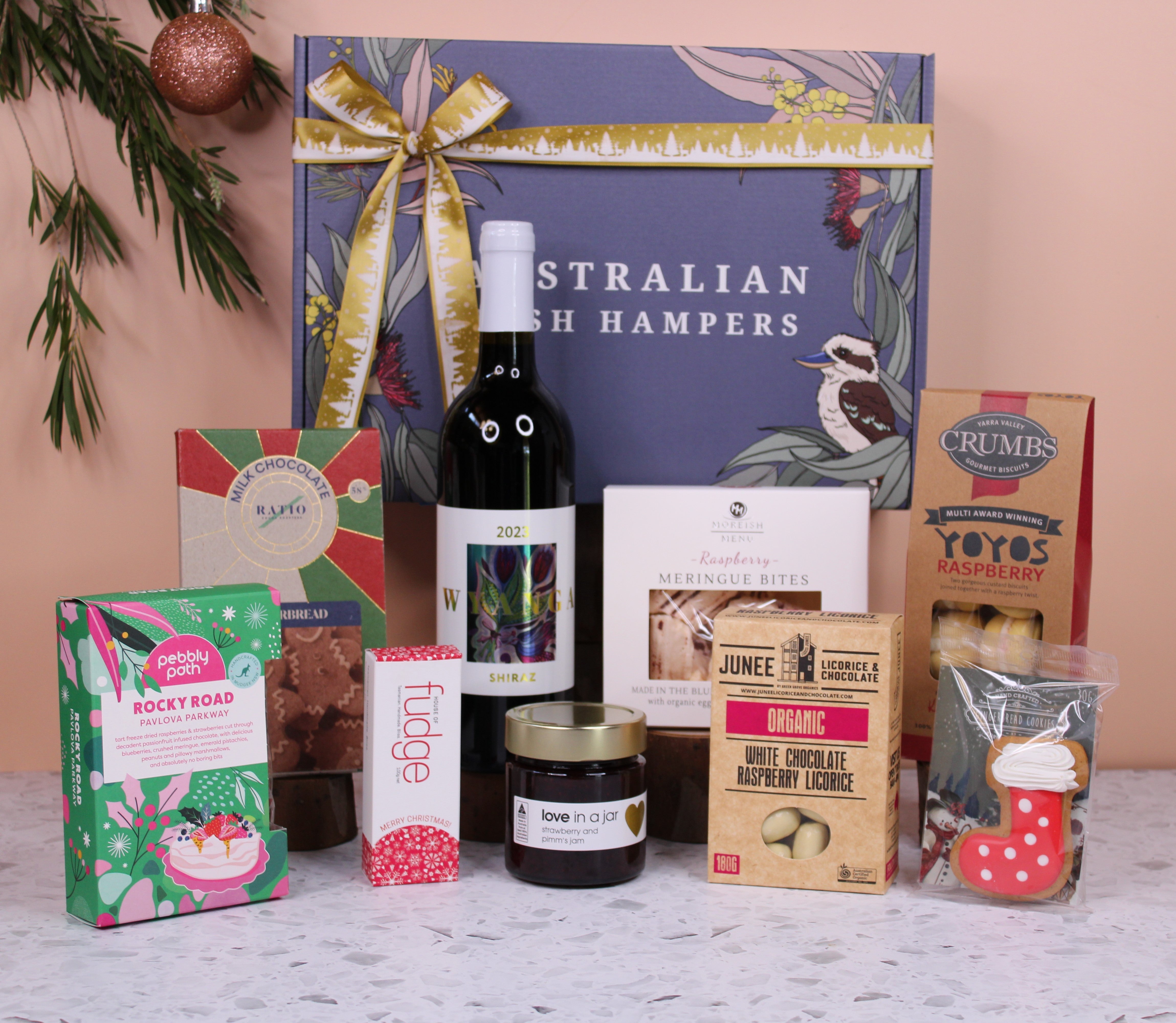
The holiday season is a whirlwind of cocoa, candy canes, and corporate appreciation gifts. If you’re tasked with putting together gift baskets that wow clients and colleagues, you’ll quickly discover that a single vendor rarely has everything you need. The art of how to manage multiple vendors for holiday gift basket orders is a delicate dance—one that can turn a stressful scramble into a smooth, festive symphony. In this guide, we’ll walk through the steps, pitfalls, and practical tips to orchestrate a vendor lineup that delivers quality, variety, and on‑time delivery without breaking the bank—or your sanity.
The Challenge of Multiple Vendors
Why You Need More Than One Vendor
Picture a holiday buffet: you wouldn’t serve only one type of dessert and expect guests to be satisfied. Similarly, a single supplier might excel in artisanal cheeses but fall short on premium chocolate or eco‑friendly packaging. Diversifying vendors ensures:
- Specialization – each partner brings niche expertise. Risk mitigation – if one falls short, others can cover. Competitive pricing – multiple bids drive value.
Common Pitfalls
- Over‑fragmentation – too many tiny suppliers can lead to coordination headaches. Inconsistent quality – varying standards may produce uneven baskets. Communication gaps – without a central hub, details slip through the cracks.
Remember the time I tried to coordinate a one‑stop shop for a client’s holiday gifts and ended up with a basket that had a single, lukewarm chocolate bar and a glittering but mismatched ribbon? That was a lesson in the perils of not managing multiple vendors properly.
Planning Your Vendor Strategy
Define Your Basket Vision
Before you even pick a vendor, answer these questions:
- What’s the core message of the basket? (e.g., luxury, sustainability, local pride) Who’s the audience? (executives, employees, partners) What is the desired theme or color palette?
Having a clear vision turns a vague idea into a concrete brief that vendors can follow.
Budget Allocation
Break down your budget into categories:
- Product cost – raw items, artisanal goods, local produce. Packaging – baskets, ribbons, labels. Logistics – shipping, handling, customs if international. Contingency – 10‑15% for unforeseen changes.
A well‑structured budget helps you negotiate with vendors and avoid surprise expenses.
Vendor Selection Process
Research and Vetting
- Ask for references – a vendor’s past clients are the best proof of reliability. Check reviews – online ratings can reveal hidden red flags. Request samples – taste, texture, and presentation matter.
A simple spreadsheet can track vendor strengths, weaknesses, and suitability for each basket component.
Building Relationships
Treat vendors like partners, not just suppliers. Regular check‑ins, transparent communication, and acknowledging their expertise foster loyalty and improve service quality. As Maya Angelou wisely said, “People will forget what you said, people will forget what you did, but people will never forget how you made them feel.” A vendor who feels valued is more likely to go the extra mile.
Order Coordination and Communication
Centralized Tracking System
Adopt a shared dashboard (e.g., Trello, Asana, or a custom Google Sheet) where:
- Order status updates are logged. Delivery dates are tracked. Issues are flagged for quick resolution.
A single source of truth eliminates the “who did what” confusion that often plagues multi‑vendor projects.
Clear Contracts and SLAs
Define service level agreements (SLAs) that cover:
- Lead times – how long it takes to receive items. Quality standards – inspection criteria. Penalty clauses – for late or defective deliveries.
Having these terms in writing protects your brand and ensures accountability.
Quality Control and Consistency
Standardization
Create a quality checklist for each component:
- Appearance – color, texture, packaging integrity. Freshness – expiration dates, storage conditions. Branding – logos, labels, custom messages.
Distribute the checklist to all vendors so they know exactly what you expect.
Sampling and Approval
Before finalizing bulk orders, request a small batch of samples. This step lets you:
- Verify taste and presentation. Make adjustments to quantities or brands. Prevent costly last‑minute changes.
Think of it as a rehearsal before the big performance.
Delivering a Seamless Experience
Packaging and Presentation
- Uniform baskets – choose a style that complements all items. Eco‑friendly wraps – biodegradable ribbons, recycled paper. Personalized notes – hand‑written messages add a human touch.
A well‑packaged basket feels like a gift, not a box of items.
Logistics and Timing
- Consolidate shipments – where possible, have vendors send items to a central hub before final assembly. Track deliveries – use tracking numbers and set up alerts for delays. Plan for contingencies – have a backup plan if a vendor misses a deadline.
Timing is crucial; even the best basket can lose its impact if it arrives late.
The Perfect Gift Awaits
You’ve gathered the best products, coordinated the vendors, and polished the presentation. Now it’s time to deliver a basket that tells a story of thoughtfulness and professionalism. By mastering how to manage multiple vendors for holiday gift basket orders, you transform a logistical challenge into a strategic advantage.
Consider this your final cue: treat each vendor as a chapter in a holiday tale, and the finished basket as the satisfying ending everyone will remember. When the next holiday season rolls around, you’ll be ready to orchestrate a flawless, festive gift experience—without the last‑minute panic. Happy gifting!